-
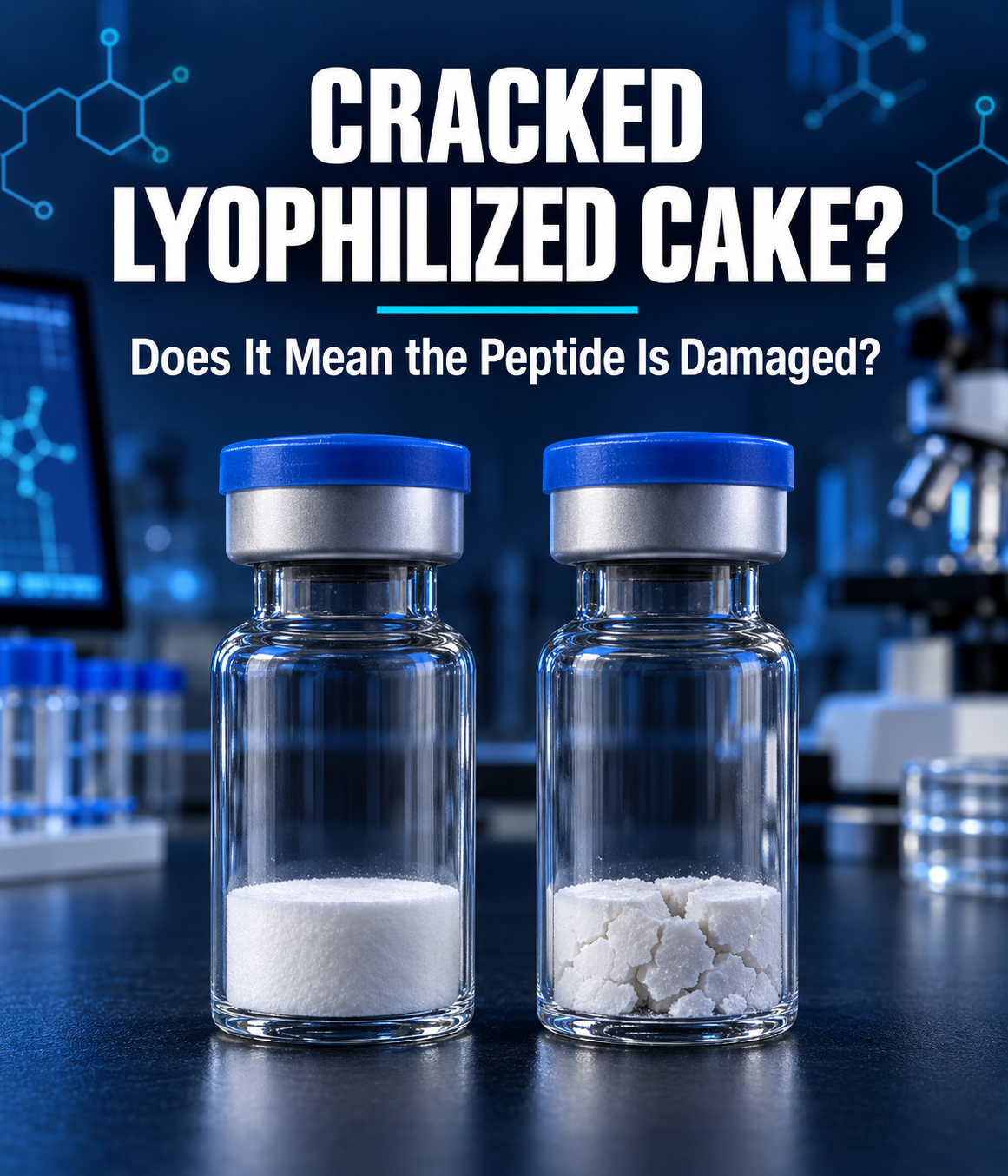
 Does a Cracked Lyophilized Cake Mean the Peptide Is Damaged?
Learn how to inspect a cracked or broken lyophilized peptide cake, identify warning signs, document the vial and decide when supplier review is required.
-
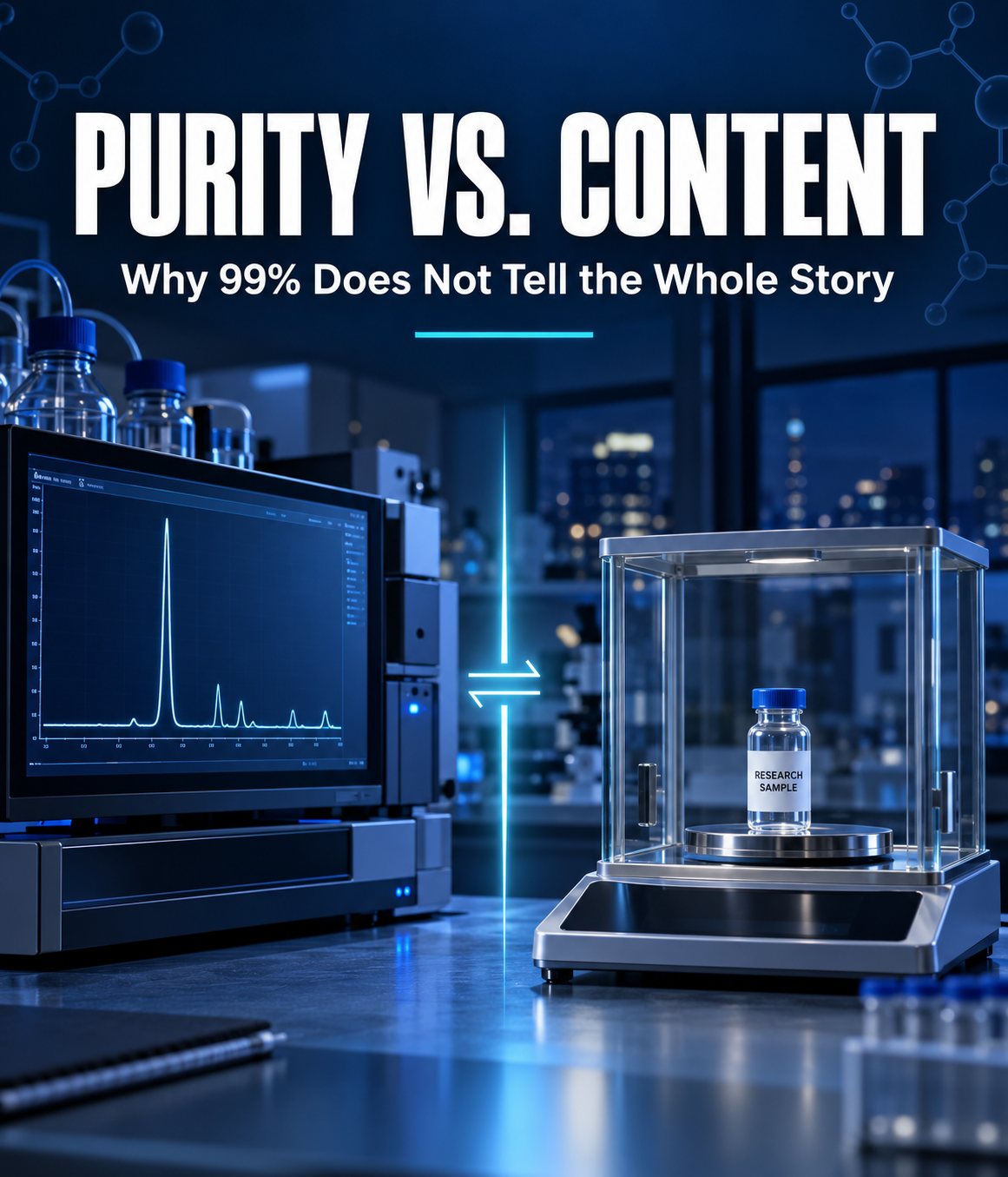
Peptide Purity vs. Peptide Content: Why They Are Not the Same
Learn why a 99% HPLC purity result does not automatically represent the total peptide content of a vial, and how identity, purity and content should be reviewed together.
-
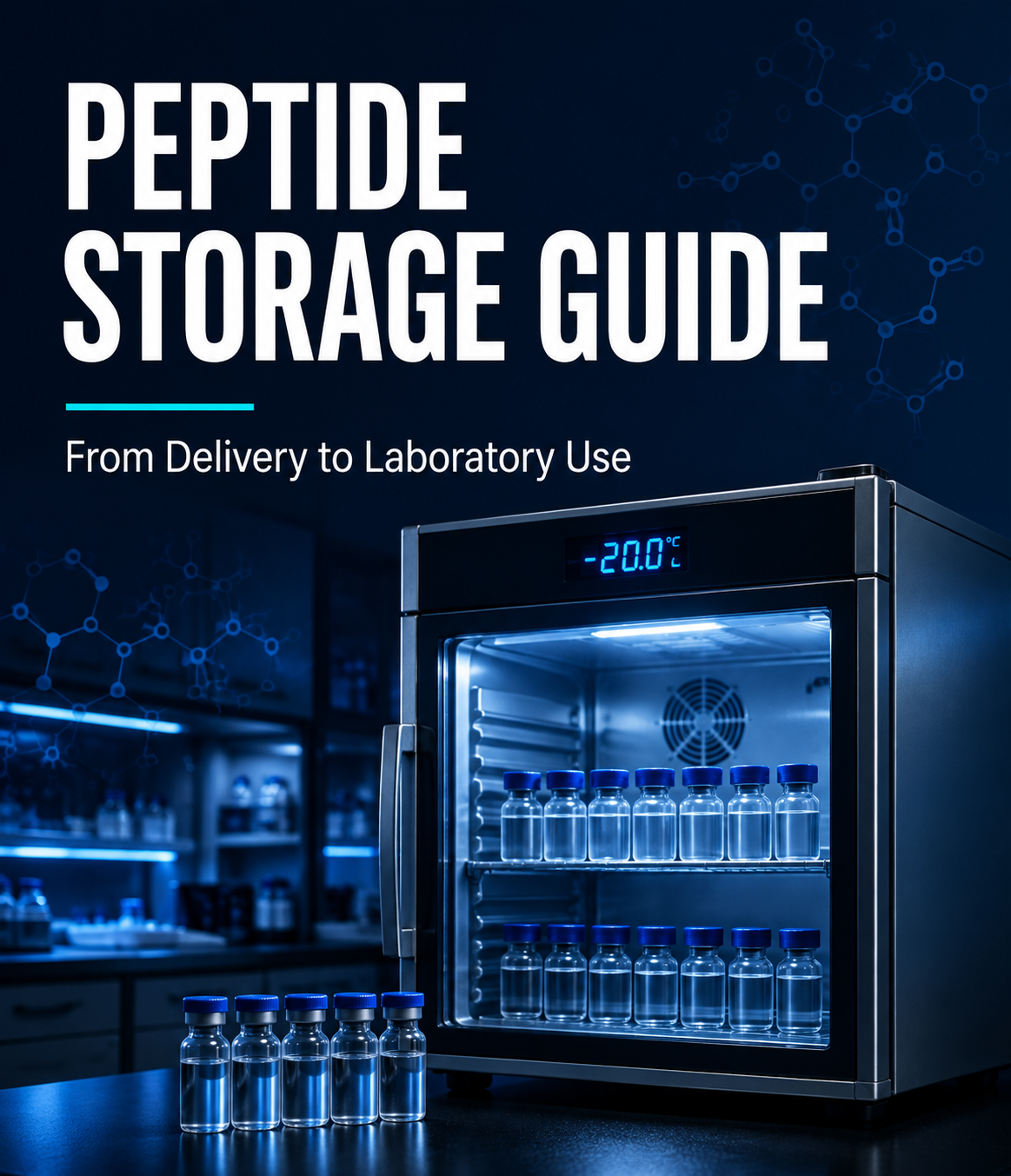
Peptide Storage Guide
A practical laboratory guide to receiving, handling and storing lyophilized research peptides while controlling temperature, moisture, light exposure and documentation.
-
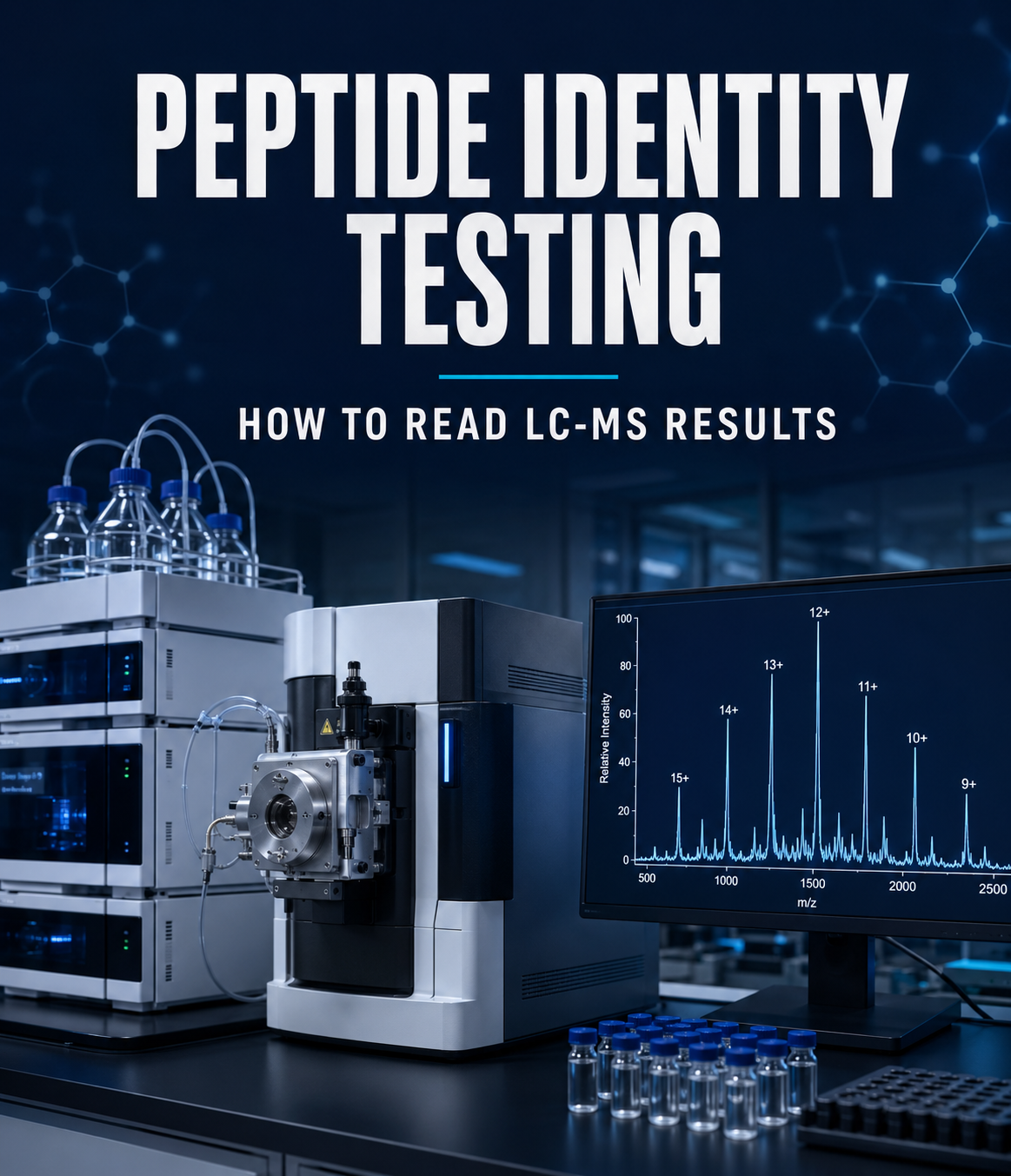
How to Read LC-MS Results
Learn how to review peptide LC-MS identity results, including molecular mass, charge states, deconvolution, batch traceability, acceptance criteria, and common reporting limitations.
-
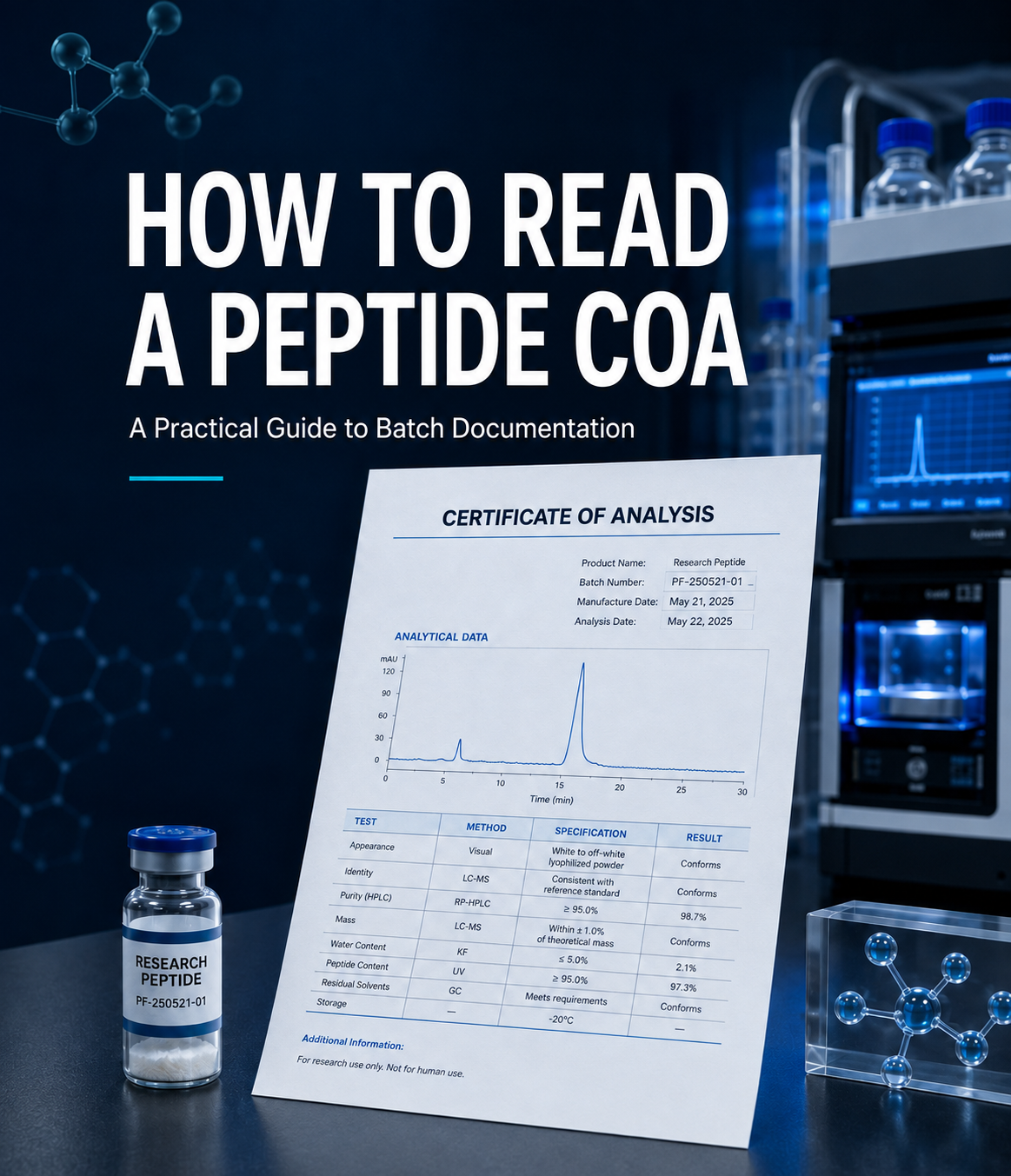
How to Read a Peptide COA
Learn how to review a peptide Certificate of Analysis, including batch information, HPLC purity results, identity documentation, testing dates and quality-control records.
-
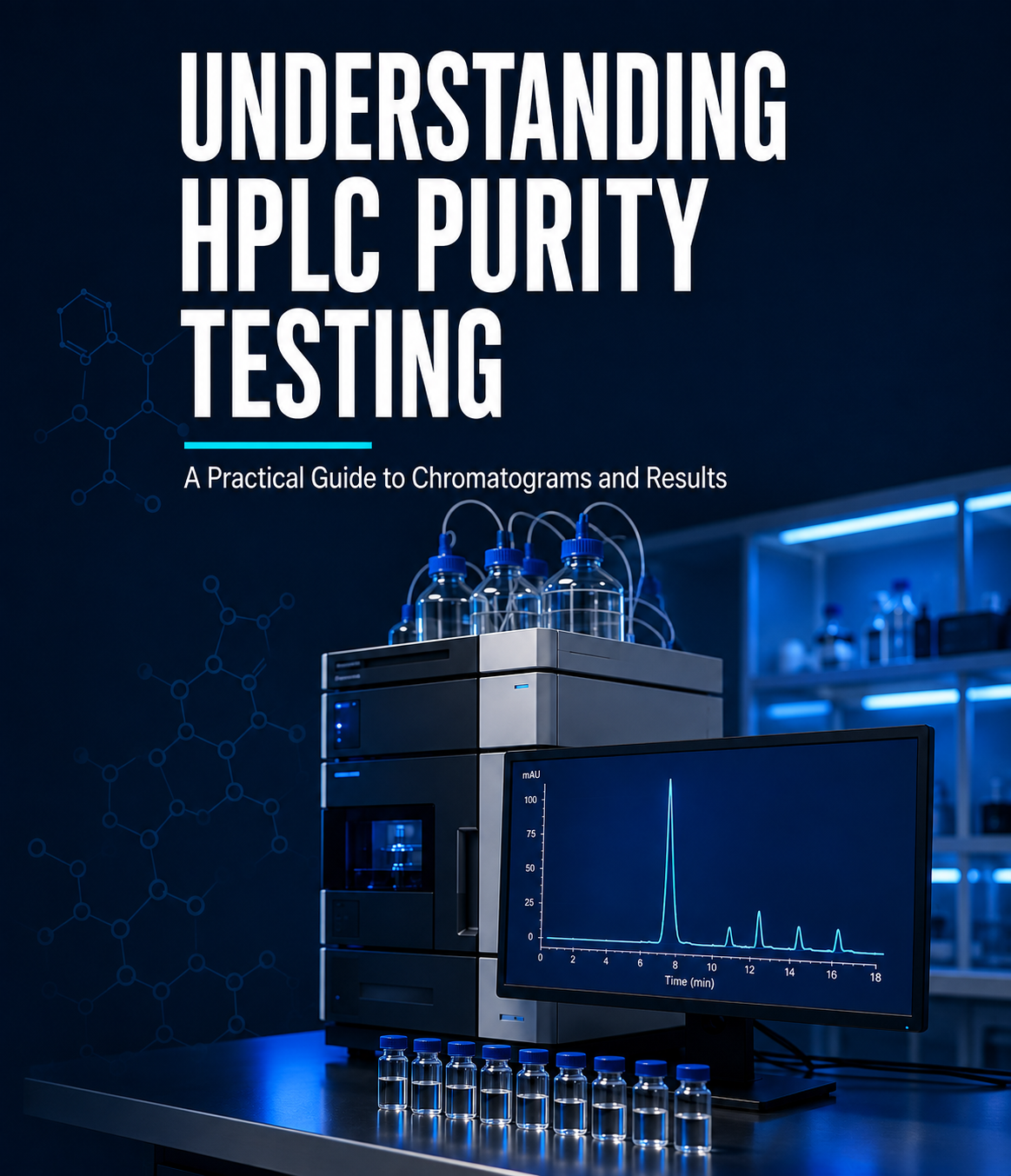
Understanding HPLC Purity Testing
Learn how HPLC purity testing works, how chromatographic peaks and area percentages are evaluated, and why an HPLC result should always be reviewed together with the analytical method and batch documentation.

 USD
USD