 USD
A practical explanation of milligram weight, visible powder volume, lyophilized cake appearance and the correct way to verify what is inside a research vial.
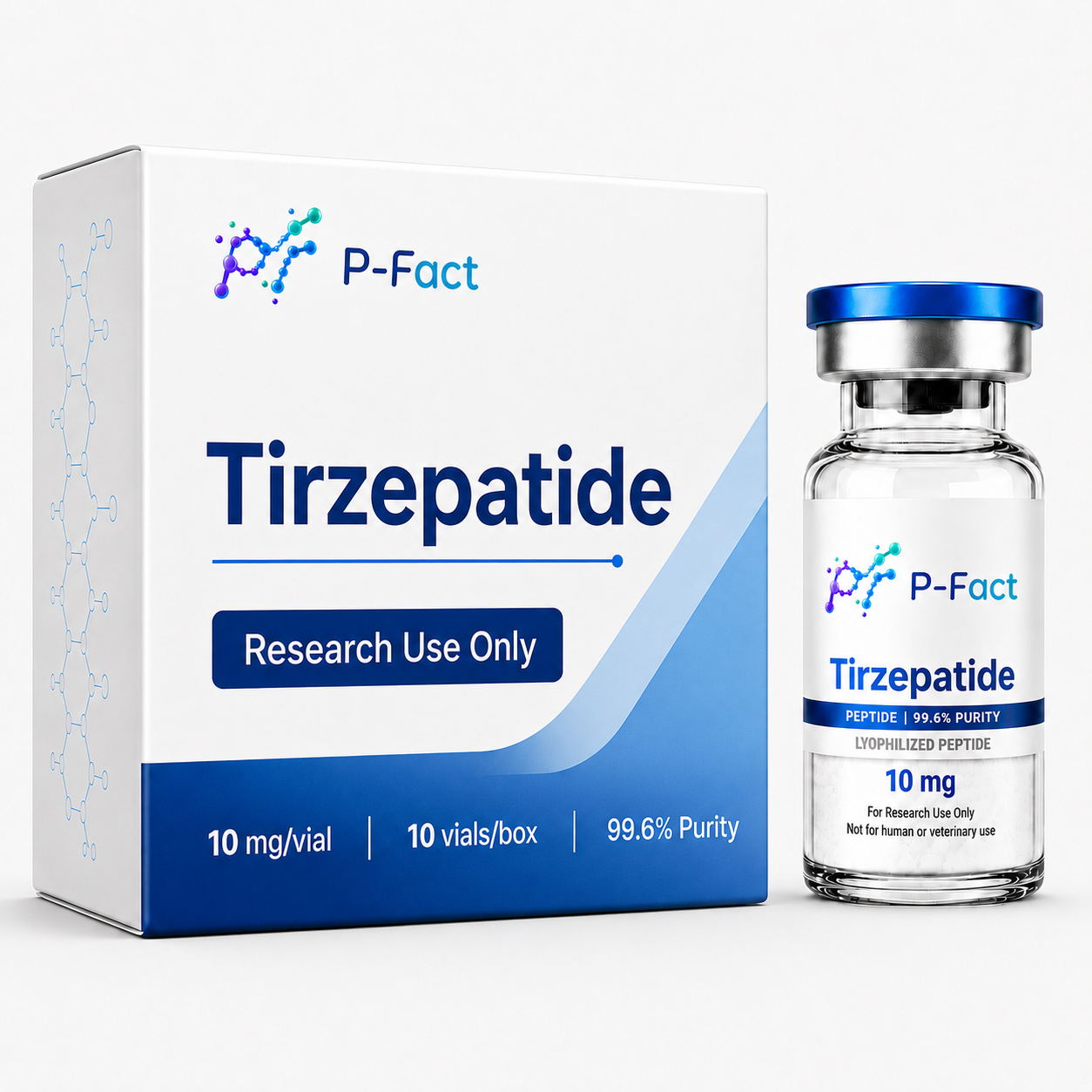
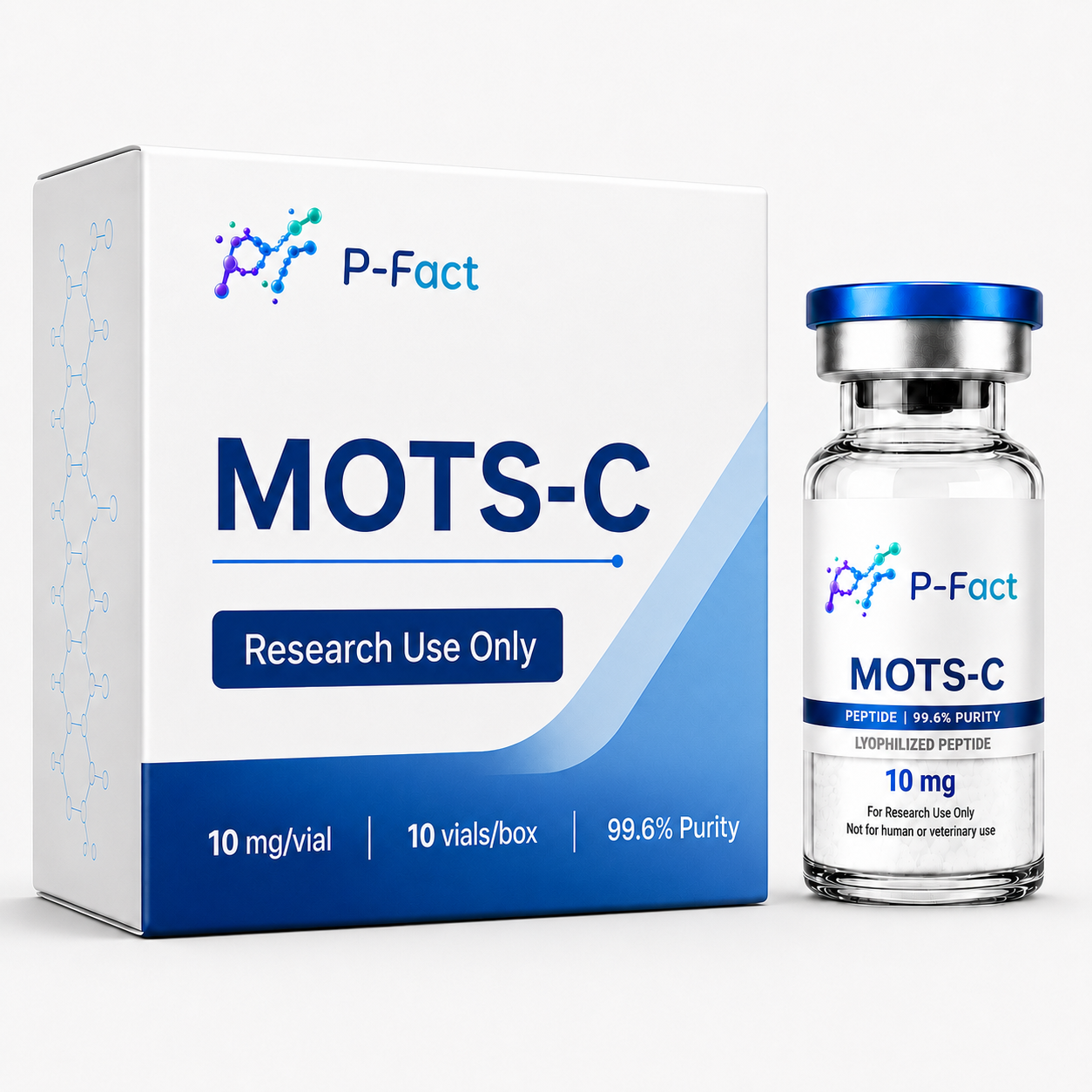
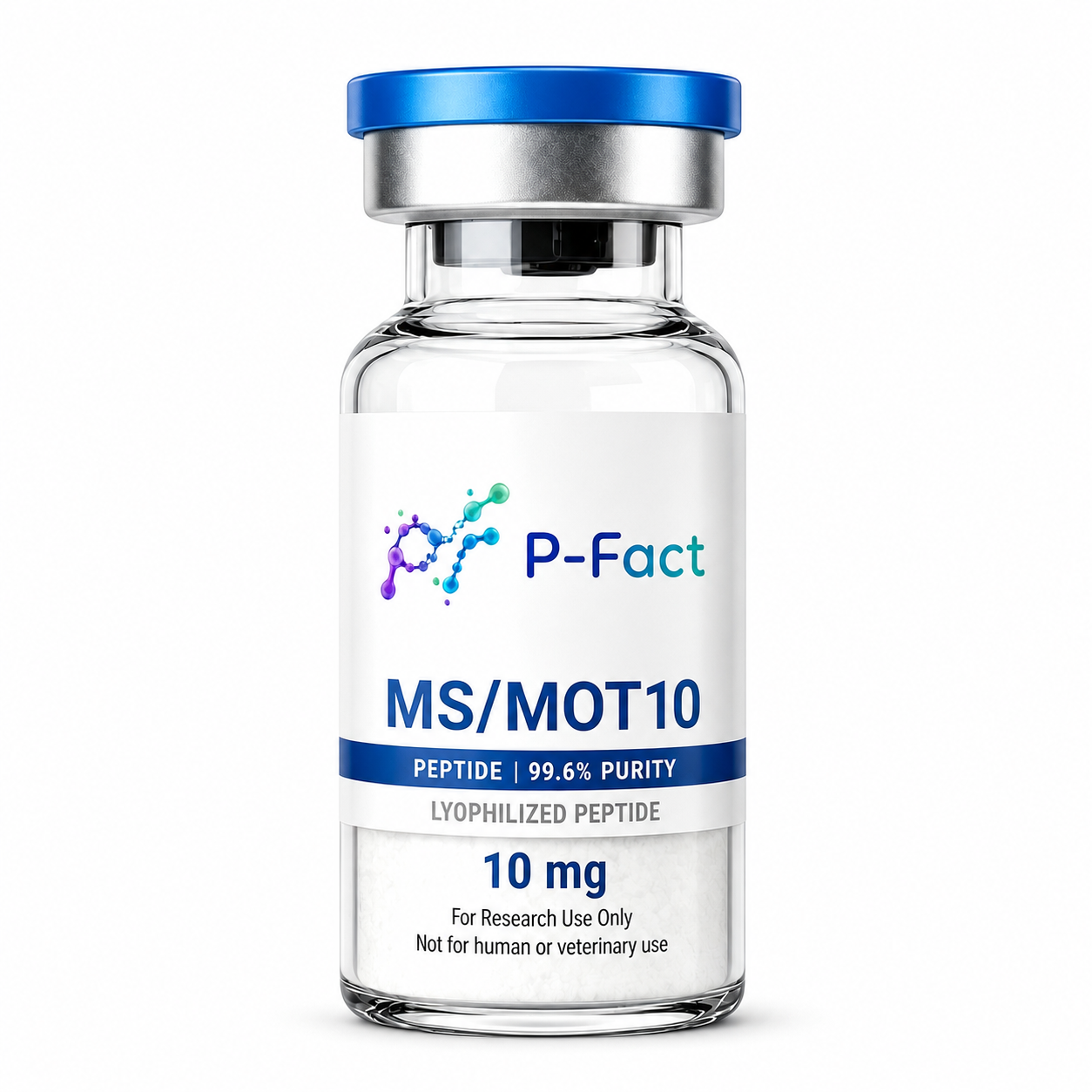
A 10 mg quantity is only one-hundredth of a gram. When that mass is dried inside a vial designed to hold several milliliters, it may form only a thin layer, a small cake or loose material at the bottom. The vial can look nearly empty even when the labeled quantity is present.
Start with the numbers
Milligrams describe mass—not visible height, surface area or volume. Two materials with the same mass can occupy different volumes because their density, structure and formulation differ.
Why the powder can look unusually small
The vial is much larger than the material
A small research quantity placed in a common vial occupies only a fraction of the container. The empty headspace makes the amount appear even smaller.
Mass is not the same as volume
The label states milligrams by mass. The eye estimates volume. Those are different measurements and should not be substituted for one another.
Freeze-dried structure can vary
Freezing and drying conditions influence whether the final material appears as a compact cake, thin film, porous plug, fragments or loose powder.
Formulation components affect cake size
Some formulations contain bulking agents, buffers or other excipients. These can make the visible cake larger even though they are not additional peptide.
Material may spread across the glass
A thin coating on the bottom or lower wall can look less substantial than the same material gathered into a compact pile.
Lighting changes what you see
Clear glass, reflections and a white product against a bright background can make a thin layer difficult to see. Inspect the unopened vial under neutral lighting.
A larger cake does not necessarily contain more peptide
Small visible cake
May contain the labeled peptide quantity with little or no visible bulking material.
Large visible cake
May include more formulation solids or a more porous structure—not necessarily more peptide.
How to check a vial properly
Confirm the exact product name, stated quantity and concentration format. Do not judge the vial before confirming whether the label says 5 mg, 10 mg, 20 mg or another amount.
The batch or lot number on the vial should match the batch-specific Certificate of Analysis or supplied documentation.
Check the glass, stopper, aluminum seal and visible material. Record leakage, moisture, broken glass, seal displacement or unexpected discoloration.
Only compare vials with the same product, stated quantity, formulation, vial size and batch. Comparing unrelated products by powder height is not meaningful.
Identity, chromatographic purity and quantitative content require appropriate test methods. A photograph cannot replace an assay or other quantitative result.
When is a small amount normal—and when should you ask?
Usually an appearance question
- Dry material is visible at the bottom
- Vial, stopper and seal are intact
- Label and batch information match
- No leakage, wetness or foreign matter
- Appearance is consistent with the batch
Contact the supplier for review
- No visible material under proper lighting
- Vial or seal appears damaged
- Material looks wet or unexpectedly discolored
- Label and COA batch numbers do not match
- One vial differs sharply from others in the same batch
When contacting the supplier, send clear photographs of the unopened vial, label, batch number, stopper, seal and outer package. State how many vials are affected and when the shipment arrived.
Frequently asked questions
Should 10 mg fill the bottom of a vial?
Not necessarily. The visible area depends on the vial diameter, formulation, density and freeze-dried structure. Milligram mass cannot be estimated reliably from how much of the bottom appears covered.
Why does one 10 mg product look larger than another?
Different products can have different molecular properties, formulations, solid concentrations and excipients. They may also be freeze-dried under different conditions or packaged in different vials.
Does a larger lyophilized cake mean higher peptide content?
No. A larger cake may contain additional formulation solids or simply have a more porous structure. Only an appropriate quantitative method can establish peptide content.
Can a photograph prove that a vial contains 10 mg?
No. A photograph documents appearance and packaging condition. It cannot measure the exact mass of peptide or establish molecular identity and purity.
Why does the material sometimes look like a thin film?
A small amount of dissolved material can spread across the vial bottom before freeze-drying. After water removal, the remaining solids may form a thin layer instead of a tall cake.
What should be checked if the vial looks completely empty?
Inspect the unopened vial under neutral side lighting, rotate it carefully, confirm the label and batch, and document the vial from several angles. If no material is visible, contact the supplier before further handling.
The practical takeaway
Ten milligrams is only 0.01 gram, so it may look surprisingly small inside a multi-milliliter vial. Visible powder volume is influenced by vial dimensions, formulation solids and freeze-dried structure. Verify the product using the label, batch number, container condition and batch-specific analytical documentation—not cake height alone.